Thanks for visiting!
This project is now in update mode. Check back regularly to see how things are progressing.

Class of 2029 White Coat Campaign

Class of 2029 White Coat Campaign Image
$21,921
109%
Raised toward our $20,000 Goal
76 Donors
Project has ended
Project ended on August 04, at 11:59 PM MST
Project Owners

Updates

Thank you!

August 04, 2025

Because of your generosity, we reached our goal to support the incoming Class of 2029 at the University of Arizona College of Medicine – Tucson as they begin their journey in medicine. 

We’re so grateful to everyone who donated, shared, or cheered us on. Your support reminds our students that they are not alone — they are entering a community that believes in them and is invested in their future.

Thank you for being part of this special milestone! 


Welcome MedCat Class of 2029!

August 04, 2025

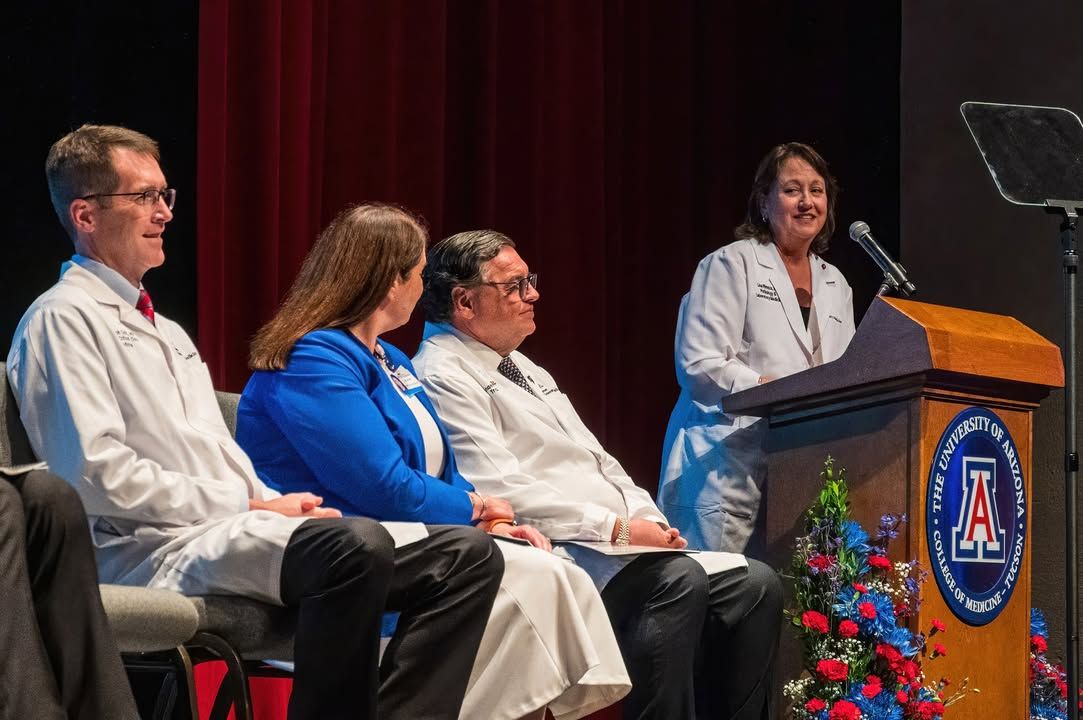
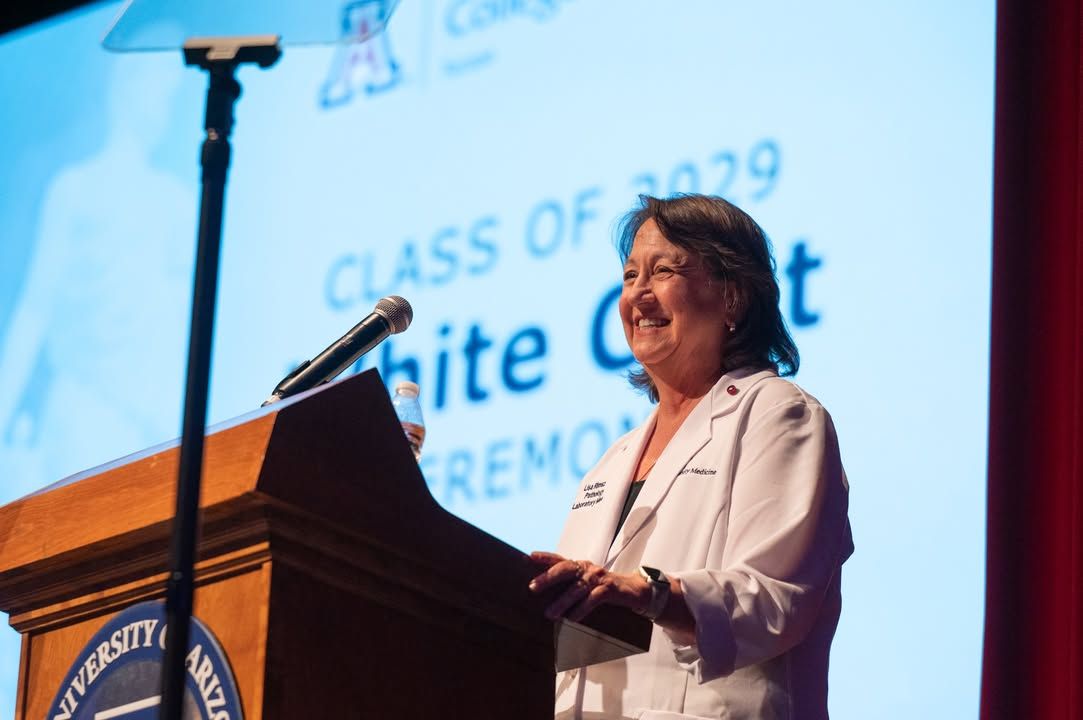
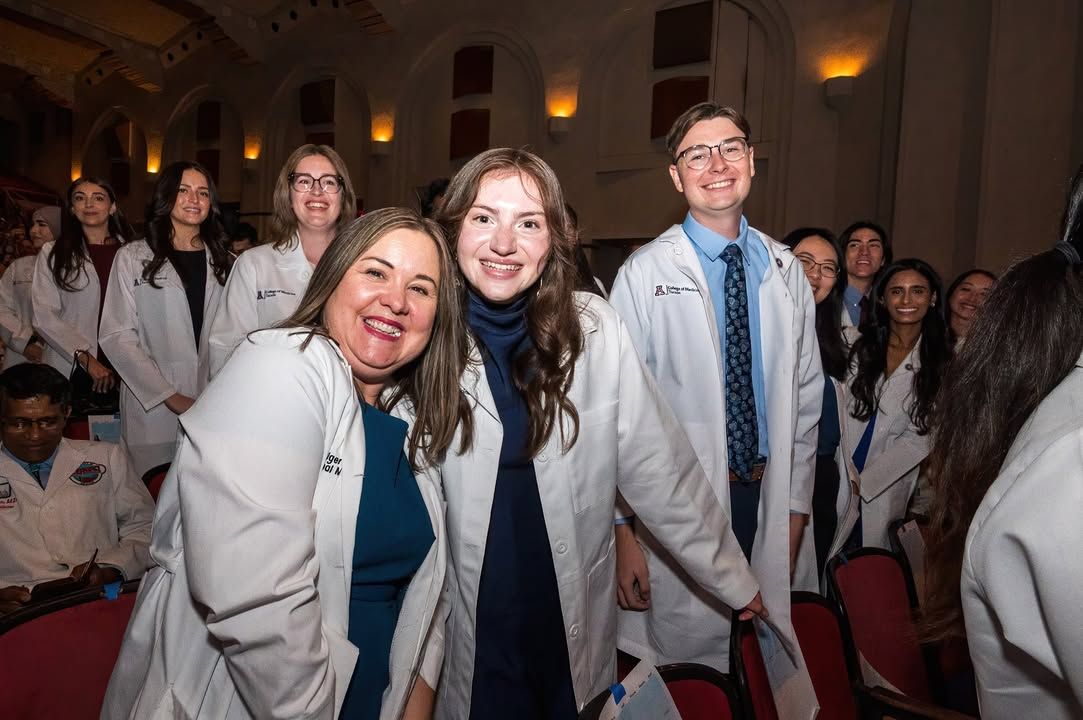
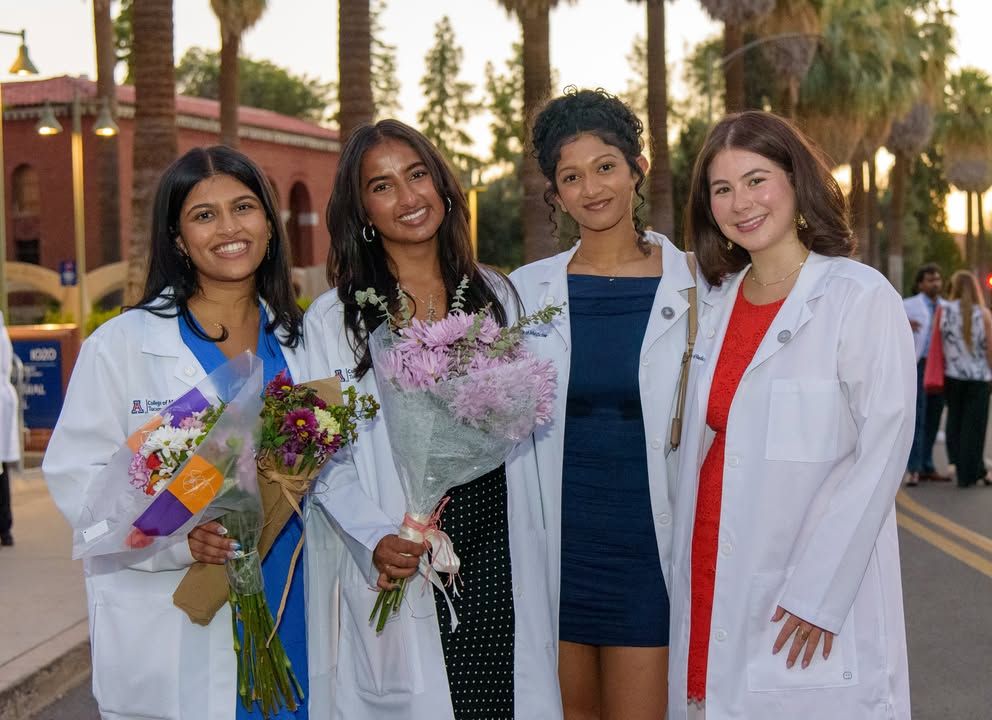
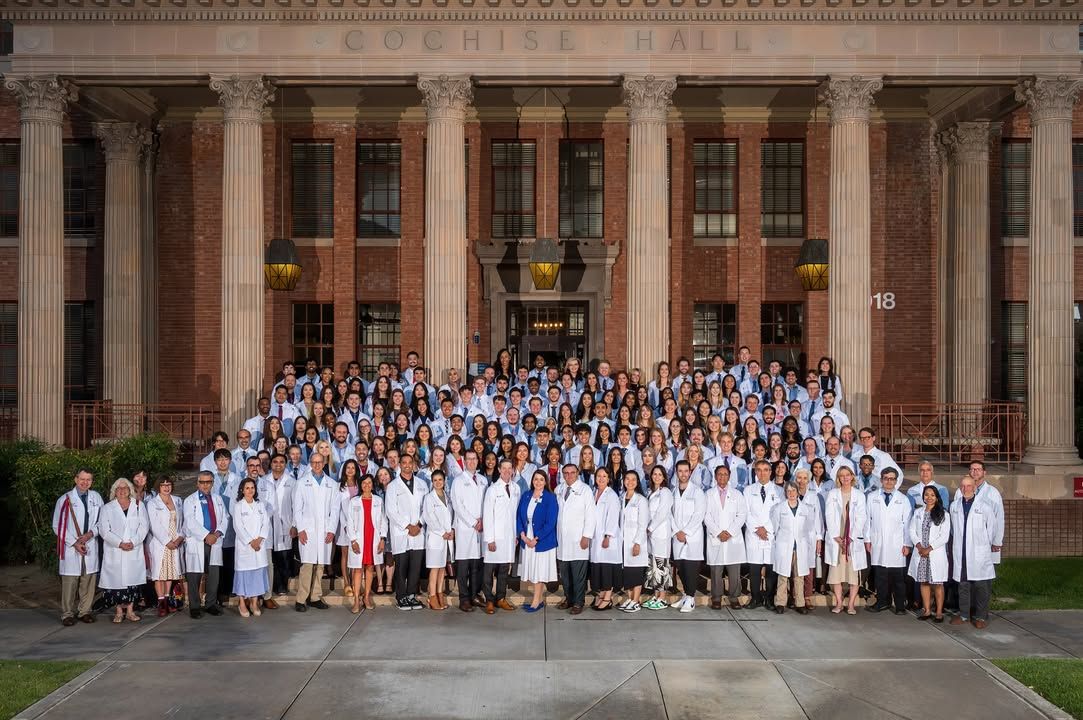
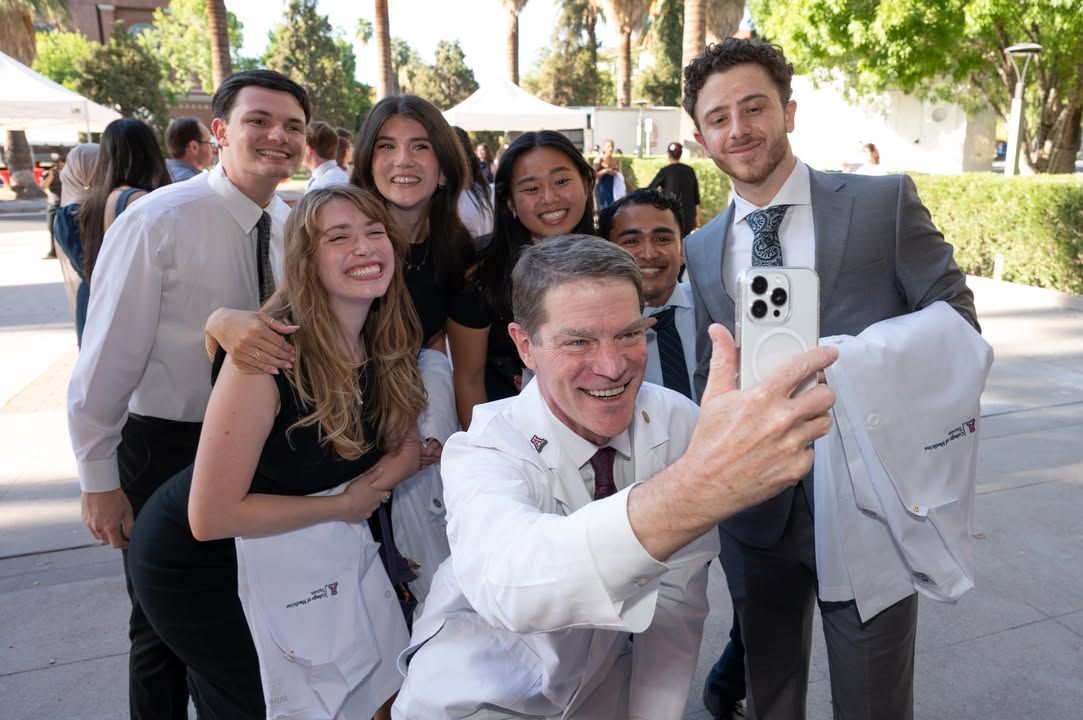
On Friday July 25th, we proudly welcomed the MedCat Class of 2029 to the medical profession during our annual White Coat Ceremony.

Over 100 new medical students received their white coats at Centennial Hall, joined by faculty, mentors and family. With inspiring words from Lisa M. Rimsza, MD, chair of the Department of Pathology and Laboratory Medicine, and the support of our leadership team and community, our future physicians are ready to begin their training! 

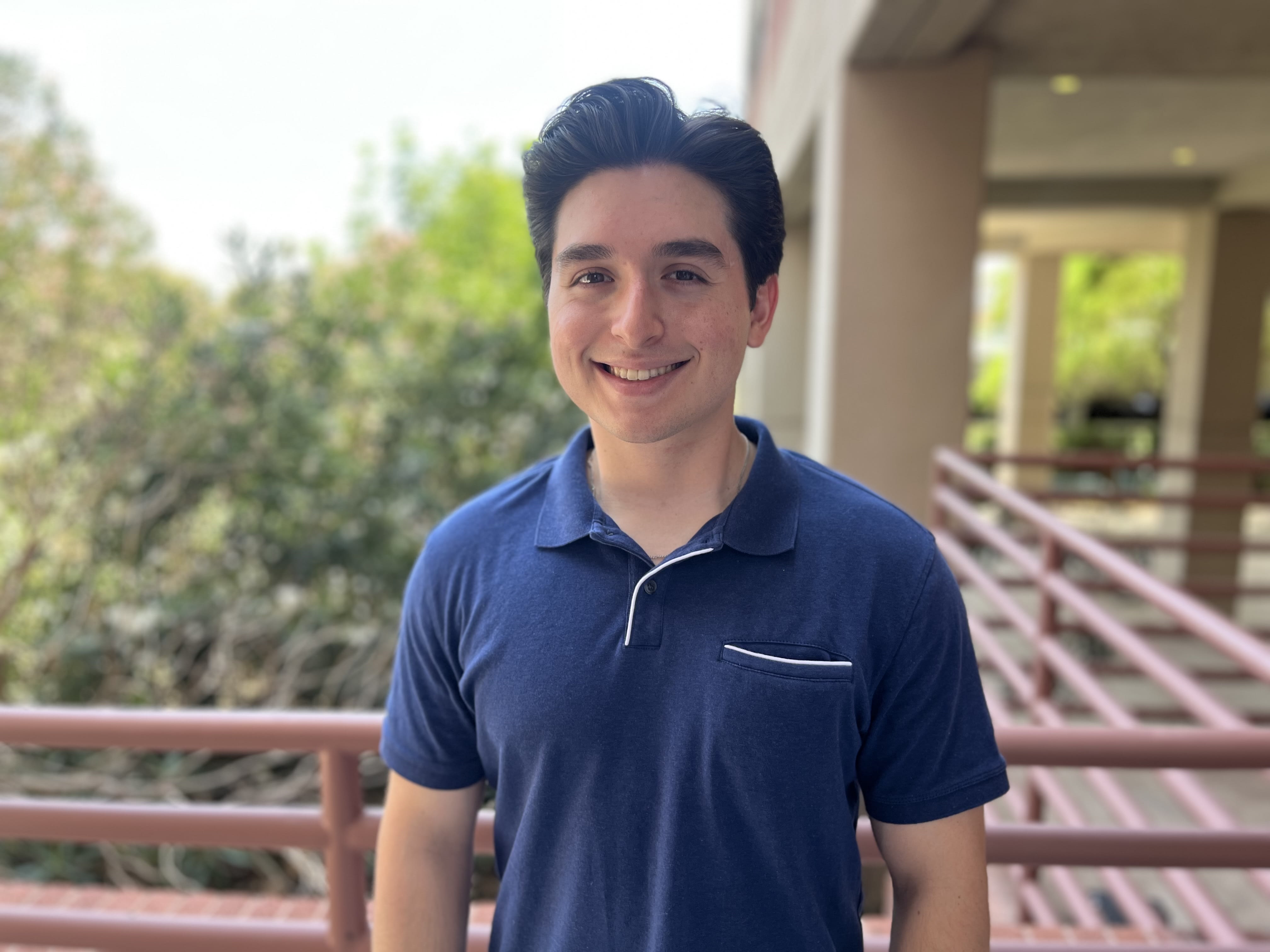
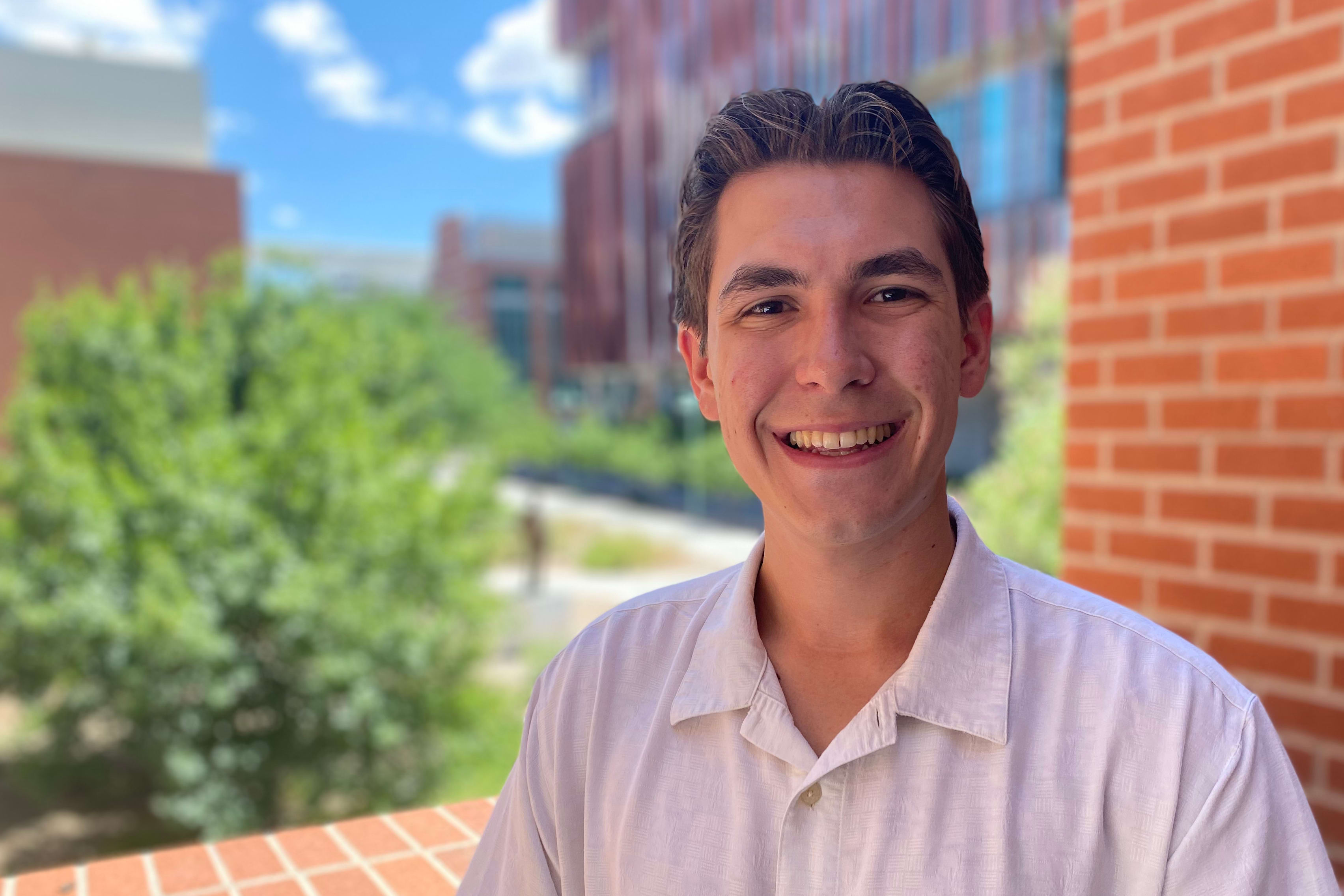
Meet Incoming MetCaT Airen Fortunato
July 29, 2025
First-generation college graduate Airen Fortunato’s path to medicine began in the rural community of Maricopa in Pinal County, where his interest in medicine was piqued as teenager participating in the College of Medicine – Phoenix’s Saturday Scrubs program.
 
“I immediately fell in love,” he recalled.
 
In college, he explored both clinical and research opportunities.
 
“Freshman year, I found out about the Research Associates Program in the Department of Emergency Medicine. It gave me a deep insight into medicine — it’s a lot less glamourous than TV! Then I did my internship with FRONTERA. We went out into the Tucson community, did a few shifts with the Mobile Health Unit, and I was put in a wet lab. I had a lot of fun.”
 
Although he was considering a career in research, his passion for patient care was reignited through his participation in FRONTERA, a 10-week summer research internship that provides hands-on experience addressing health needs in different communities through hands-on learning and mentorship.
 
“I realized research isn’t for me, and I like talking to people more than E. coli.”
 
Once he had cemented his decision to pursue medicine, Fortunato applied to the Honors Early Assurance Program, which provides early medical school admission to academically talented University of Arizona juniors.
 
“I’m thankful I applied, not only to have the reassurance that I’m in, but also the community aspect of having nine other people I already know entering medical school. I’m not going into this completely blind.”
 
Now, armed with a degree in neuroscience and cognitive science, he’s ready to take his first step into medical school — and is already leaning toward a specialty in family medicine.
 
“By being a primary care physician, I can increase access to care in the midst of our primary care provider shortage. We still don’t have a hospital where I grew up, so I want to go into rural health and give back to those communities and support people like me who grew up on Medicaid,” he said. “A lot of times it felt like I was on the outside looking into medicine. It’s exciting that I finally get to be a part of this thing I’ve watched from the outside for so long.”
Photo of Airen Fortunato

Meet incoming MedCat Maya Nnaji

July 24, 2025
Known nationally for her standout career as a Division I women’s basketball player, Maya Nnaji is now stepping into a different kind of spotlight — trading her role as a forward on the court for a future as a provider on the frontlines of patient care.

As a high school senior in Hopkins, Minnesota, Nnaji was accepted into the University of Arizona’s highly selective Accelerated Pathway to Medical Education (APME) program, which transitions students from three years of focused undergraduate science coursework directly into medical school.

“It was one of the most exciting moments of my life. Being part of APME has been the highlight of my time at Arizona — the people, the staff, the early exposure to medicine — it’s been incredible.”

The program gave her access to experiences most undergrads don’t see, such as simulation labs, cadaver dissection, clinical shadowing and lectures from leading physicians.

“It gave me a solid foundation before medical school even started and helped me feel like I belong in this space,” she says.

Nnaji has wanted to be a doctor since sixth grade.

“I made it clear to every school that recruited me — I’m a student before an athlete. Walking away from basketball was painful, but I knew my purpose was bigger.”

Growing up as a Nigerian American, Nnaji witnessed firsthand the devastating effects of limited access to health care — both within her own family and across underserved communities.

“I’ve lost family to treatable conditions. That doesn’t sit right with me — and it’s what fuels me every day.”

One of her earliest inspirations was Charles Crutchfield III, MD, a dermatologist in Minnesota who mentored her before his passing.


“He taught me how medical conditions often show up differently on Black skin and how vital representation is in medicine. He inspired me to believe that I could be that kind of changemaker in health care.”

Nnaji and her family are already making an impact through the Nnaji Family Foundation, a nonprofit based in Nigeria that provides over 100 children with daily meals, STEM education, basketball training, and access to technology including 3D printers and drones. She recently visited and led basketball clinics, shoe and clothing drives, and mentoring sessions.

“Seeing the kids’ faces light up when they found a pair of shoes or got to try coding for the first time — it was life-changing. I left more motivated than ever.”

Her father is also launching a telehealth initiative in Nigeria called Cyber Clinic, which Nnaji plans to help lead after earning her MD. The platform aims to connect rural populations with doctors — including 30 to 50 Nigerian physicians already signed on — through a “pay-what-you-can” model, or free for those in need.

“With great power comes great responsibility,” Nnaji says. “I want to use everything I’ve been given — my education, my platform, my passion — to heal, uplift and create change around the world.”


Meet incoming MedCat John Zuckerman

July 22, 2025
Hailing from Surprise, a suburb north of Phoenix, John Zuckerman came to Tucson to earn his bachelor’s degree in biology from the University of Arizona College of Science. He set down roots, playing bass in a band called Desert Child and gaining experience in clinics and emergency departments.


“Those interactions with patients, the day-to-day ins and outs of working in the medical field, really solidified that this was something I’m passionate about,” Zuckerman said.


He’s now committing to stay in Tucson for at least another nine years, as he matriculates into the Primary Care Accelerated Medical Pathway (PCAMP), the college’s latest effort to address the primary health care provider shortage.


“It definitely caught my eye,” he said of the PCAMP program. “Working in a clinic that primarily treated underserved folks, the shortage was palpable — people were struggling. Taking initiative to address the physician shortage in Arizona is something I really want to do with my life.”


PCAMP is a nine-year program consisting of three years of medical school and a three-year family medicine residency program, followed by three years as an adjunct professor to train medical students. By combining a medical student’s third- and fourth-year rotations and focusing them solely on family medicine, the PCAMP curriculum propels participants to residency programs without sacrificing important training.


“Working as a family medicine medical assistant for the past three years, I really developed my passion for family medicine,” Zuckerman said. “I hope my career will always be centered around altruism, continuously bridging those gaps in health care access and using my skills to give back to communities in need.”
photo of John Zuckerman

Thank You!

July 14, 2025

We’re making amazing progress! Thank you to everyone who has donated to the College of Medicine - Tucson White Coat Campaign to support the Class of 2029. Your generosity helps pave the way for our student's success and growth. Please share this initiative with fellow alumni, colleagues, friends, and family. Together, we can show our incoming students that they are supported and celebrated by a strong community.
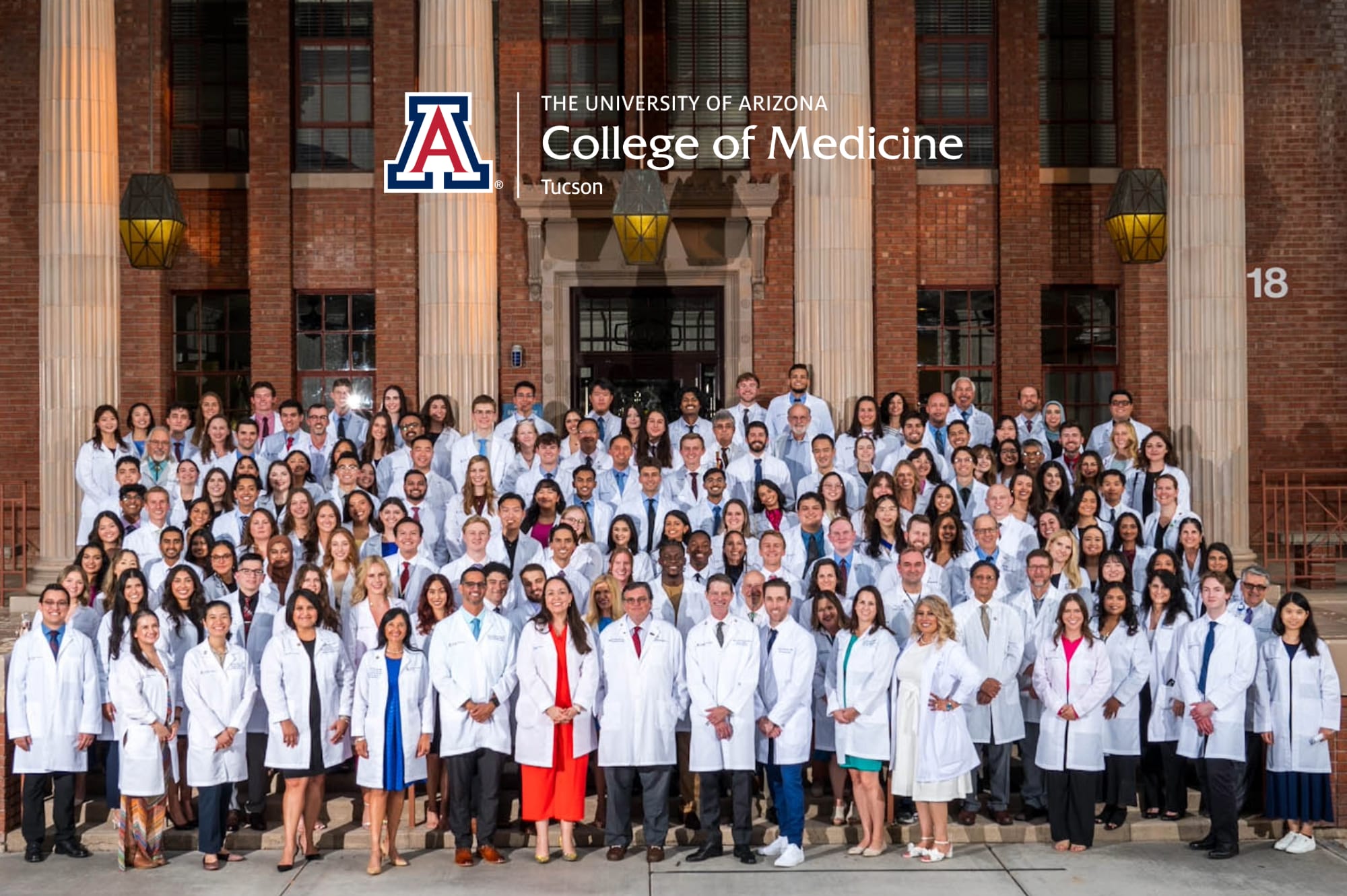
College of Medicine - Tucson Class of 2028 photo
Levels
Choose a giving level

$20.29

In Honor of the Class of 2029

Recent grads and families, can you lend a helping hand to our new class? Gifts of all sizes make a difference.

$50

A New White Coat

The symbol of the beginning of a medical school journey.

$120

Welcome Class of 2029

There are 120 members in the College of Medicine – Tucson Class of 2029. Demonstrate your support and help keep a med student’s dream going strong!

$200

Littman Diagnostic Stethoscope

Provide a Class of 2029 MedCat with a Littmann Cardiology IV stethoscope.

$250

White Coat & Stethoscope

Make a med student’s journey a little easier with a gift of their first white coat and stethoscope

$500

The Future is Bright

There are close to 500 students currently enrolled at the University of Arizona College of Medicine - Tucson.

$2,029

It’s All Here, Make it Real!

Honor the Class of 2029 in a major way and help our med students thrive.